Introduction: What Is Kling O1 and Why It Matters
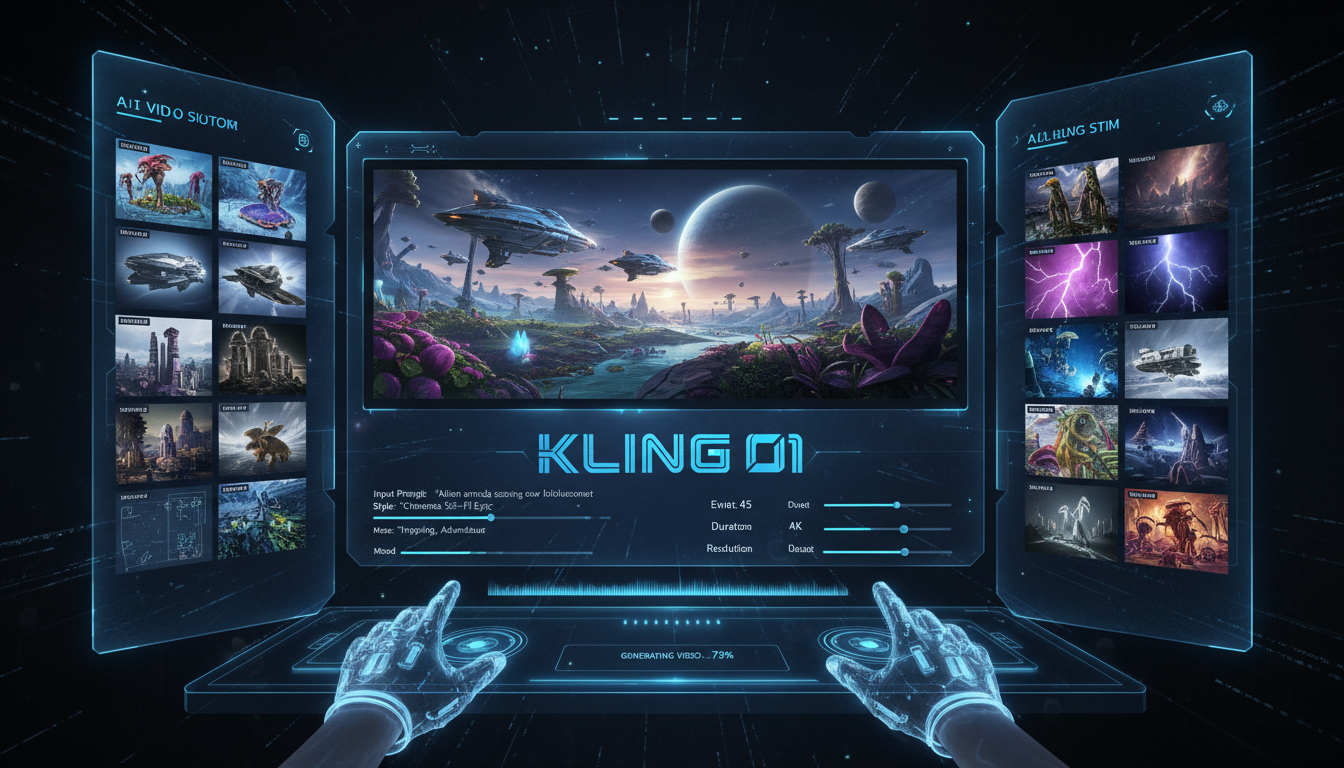
Kling O1, released today, is the newest unified multimodal video model designed to combine image-to-video generation, reference-to-video, scene editing and shot extension in a single workflow. Built under a modern multimodal vision-language framework, Kling O1 allows creators to use text descriptions, reference images or existing video frames to generate cinematic, coherent and consistent video outputs. It is already being adopted in early-access platforms such as WaveSpeedAI and integrated into creative platforms like GenAIntel.
Key Features of Kling O1
- 🔥 Unified Engine for All Video Tasks — image-to-video, reference-to-video, scene editing, shot extension, style reshaping, object addition/removal and more.
- 🖼️ 5 Reference Images + Start/End Frame Control — guide character consistency, scene style and animation transitions with up to five reference images.
- 🎨 Powerful Semantic Editing — modify characters, adjust lighting, restyle scenes or change environments using simple natural-language instructions.
- 🎯 High Prompt Adherence — interprets multi-step natural-language descriptions with strong contextual understanding.
- 📌 Exceptional Subject Consistency — maintains accurate appearance of referenced characters throughout evolving scenes.
- ⚙️ Built for Creative Workflows — supports continuity-focused video generation, iterative refinement and stylistic alignment.
Want to test Kling O1 yourself?
Create AI videos with 100+ models side-by-side with your own prompts on GenAIntel.
Why Kling O1 Is Important for Creators
Kling O1 allows creators to skip traditional multi-tool pipelines. Instead of moving between image generators, editors and motion tools, Kling O1 handles image-to-video generation, style editing and continuity within one multimodal system. For indie creators, marketers and filmmakers, this means faster production, fewer limitations and a more intuitive creative flow.
Image-to-Video Examples for Kling O1
Below are two complete image-to-video workflows you can run directly on GenAIntel, including an image-creation prompt and the follow-up video-animation prompt.
Example 1: Cyberpunk Street Character Animation
Portrait of a female cyberpunk hacker with neon-blue hair, reflective visor glasses, glowing tattoos on her arms, standing in a rainy futuristic alley filled with neon signs and holograms, cinematic lighting, hyper-detailed, 4K.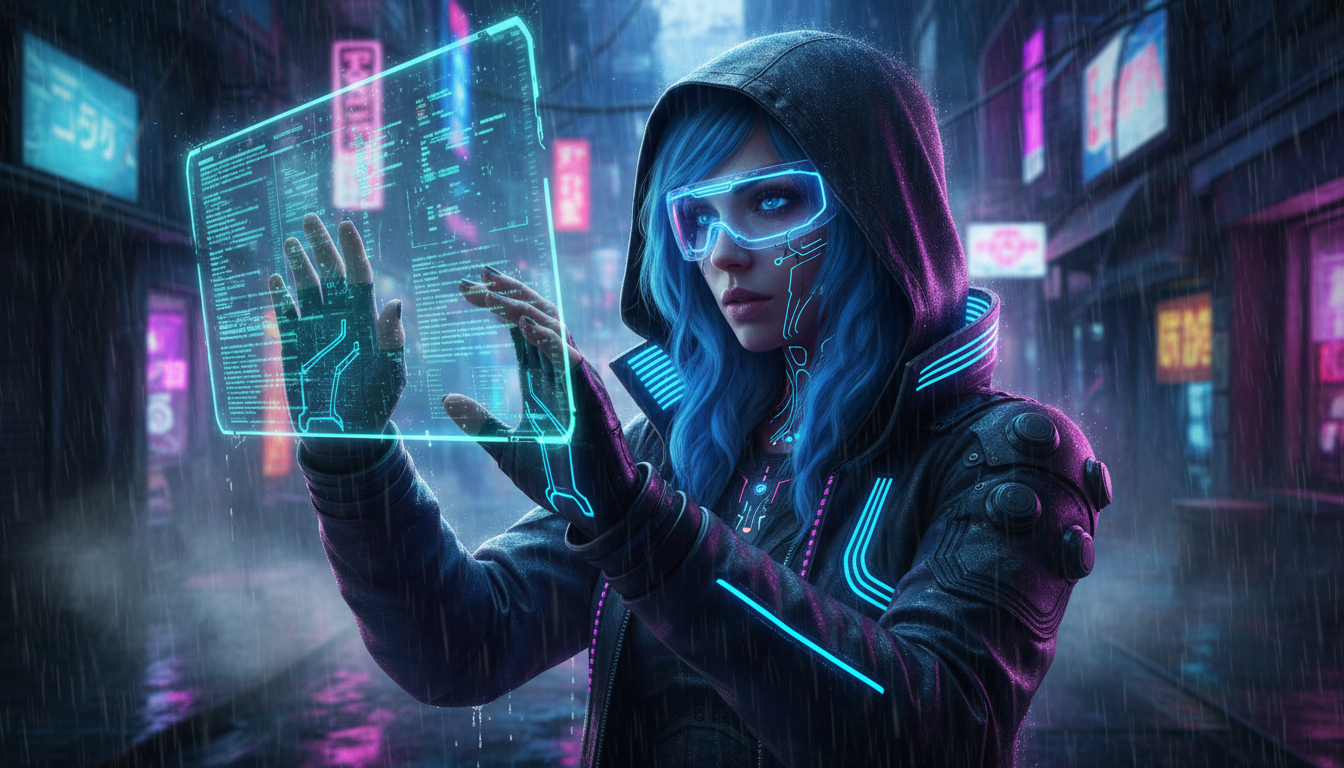
Using the reference image, generate a cinematic shot of the female cyberpunk hacker working with her holographic terminal. Lens flares reflect off wet pavement, holograms flicker, subtle camera dolly forward, atmospheric fog and neon lighting, 24fps cinematic mood.Example 2: Fantasy Creature Animation
Illustration of a gentle forest creature with deer-like horns, glowing emerald eyes, moss-covered fur, standing in a magical forest with floating fireflies and soft green fog, mystical atmosphere, highly detailed 4K artwork.
Using the reference image, generate a mystical video of the forest creature slowly turning its head while fireflies move around it. Soft glowing particles drift through the fog, gentle camera push-in, magical green lighting, calm and cinematic tone.How to Use Kling O1 on GenAIntel
- Choose Kling O1 from the model list on GenAIntel.
- Upload a reference image or generate one using any supported model on the platform.
- Write a detailed video-animation prompt describing motion, lighting, scene behavior and mood.
- Generate a short test clip first to validate movement and consistency.
- Iterate by refining prompts or adding more reference images.
Why Kling O1 Signals a Shift in AI Video Creation
Kling O1 unifies tasks that previously required multiple AI tools: image-to-video, editing, restyling, subject consistency, and shot extension. This dramatically reduces production friction and empowers creators to work with a single end-to-end pipeline. As more updates release, Kling O1 is expected to evolve into a foundation for fully AI-driven video creation across creative, commercial and entertainment industries.